How to choose the right connector and communication electronics for your radio; avoid problems by understanding the differences between electronic systems
The History of Paramotoring in Spain and its Growth to the Present Day
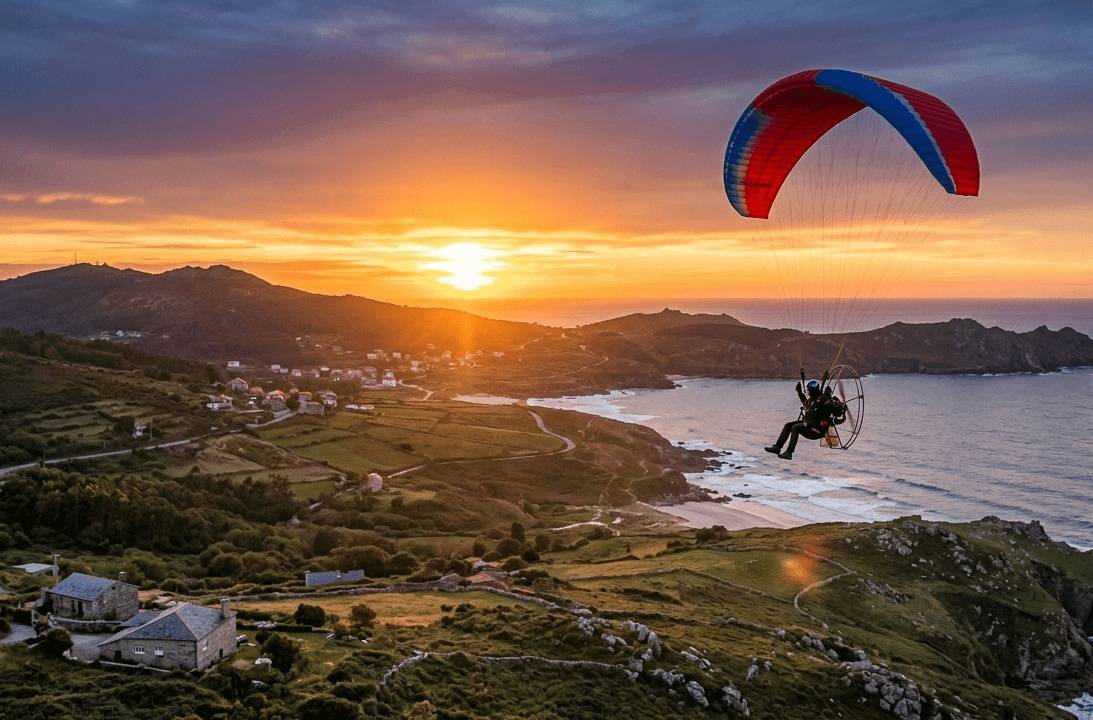
Paramotoring in Spain has gone from being a virtually unknown discipline to becoming one of the fastest-growing air sports in Europe in just a few decades. Thanks to the climate, the large number of flying areas, and an increasingly professional community, Spain has established itself as an international benchmark in free flight and sport aviation.
The Beginnings of Paramotoring in Spain
During the 1990s, the first schools, clubs, and specialized pilots began to appear in different parts of the country, especially in Andalusia, Catalonia, and the Valencian Community. The equipment of that time was much more basic and heavier than what is used today, but the sport grew very rapidly thanks to the feeling of freedom that flying offered.
Over the years, paramotoring evolved enormously on a technical level. Engines improved, materials became lighter, and safety took a significant leap forward with the arrival of new protection and communication systems for pilots. Spain led the sector thanks to pioneering manufacturers and exceptional pilots.
Spain, one of Europe's leading paramotor destinations
Currently, Spain is one of the best countries in Europe for paramotoring. Weather conditions allow flying for much of the year, and there are internationally recognized areas for training and competitions.
One of the most important locations is Bornos, in Cádiz, considered one of the world's leading centers for paramotor slalom. In recent years, it has hosted international championships and official FAI events, attracting pilots from all over the world.
The evolution of helmets and communication systems
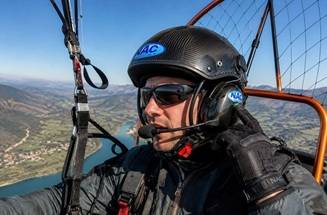
One of the biggest changes in modern paramotoring has been the evolution of helmets and aeronautical communication systems. Today, pilots are aware of the need for noise protection and the added safety that comes from being able to communicate effectively despite the intense noise. Each pilot seeks a fully customized setup based on their radio, desired level of hearing protection, and type of flight.
Current systems allow for the integration of Bluetooth® and dedicated aeronautical radio connections into high-attenuation headsets for efficient noise protection. This has greatly improved comfort, safety, and communication during flight.
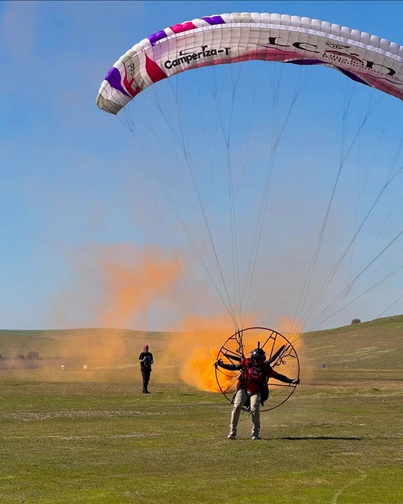
The Paramotor Today
The sport is experiencing one of its best periods. Every year, new pilots, schools, and specialized events emerge. Furthermore, social media and aerial videos have helped paramotoring gain enormous popularity among those seeking unique flying experiences.
Spain continues to grow both in terms of sports and technology, and everything indicates that it will remain one of the most important countries in the European paramotor and free flight scene for years to come.
Leave a comment
Comments
Paramotoring in Spain
By: Karl Hönemann (Charly) On 08/29/2026Hi :)
I´ve just read your blog about paramotor history in Spain. As a foreign paramotor pilot (German) i would love to fly in Spain as well. As usual, in Germany our sport is highly regulated (besides the obvious airspace restrictions and so on). So for example we have to use certified airfields for starts and landing.
I want to ask, if you can give me some advice, what of these regulations do you have in Spain? Especially the need for airfields, minimum and maximum altitudes and maybe other special regulations...
Thanks a lot in advance,
Charly
Google Translate to spanish:
Acabo de leer tu blog sobre la historia del paramotor en España. Como piloto de paramotor extranjero (alemán), me encantaría volar también en España. Como es habitual, en Alemania nuestro deporte está muy regulado (además de las obvias restricciones del espacio aéreo, etc.); por ejemplo, estamos obligados a utilizar aeródromos certificados para los despegues y aterrizajes.
Quería pedirte consejo sobre qué normativas se aplican en España al respecto: especialmente en cuanto a la necesidad de aeródromos, las altitudes mínimas y máximas y cualquier otra regulación específica...
Muchas gracias de antemano,
Charly